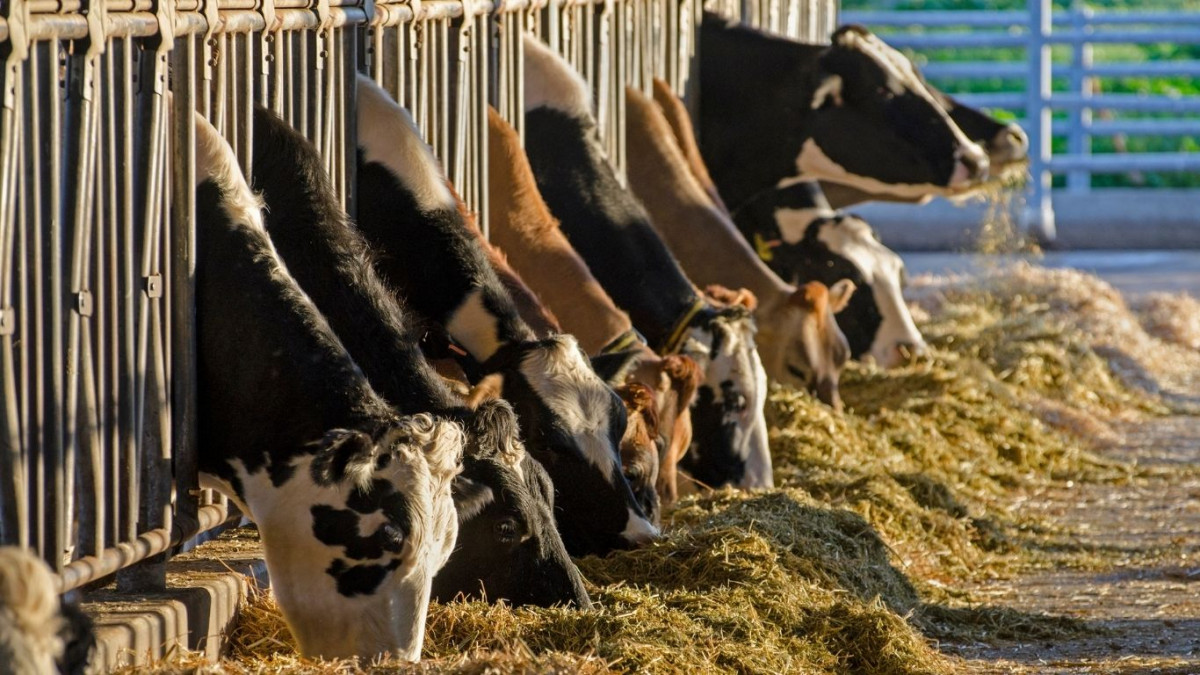
Ketosis is one of the most common metabolic disorders affecting dairy cows, particularly during the transition period and early lactation. Although it may not always present with obvious clinical signs, ketosis can significantly reduce milk yield, impair reproductive performance, and increase treatment costs, ultimately impacting farm profitability.
1. What Is Ketosis in Dairy Cows?
Ketosis occurs when a cow experiences negative energy balance, meaning the energy required for milk production exceeds the energy intake from feed. To compensate, the cow mobilizes body fat reserves, leading to increased levels of ketone bodies, particularly β-hydroxybutyrate (BHBA) in the blood, urine, and milk.
In dairy herd management, ketosis is generally classified into two forms:
- Subclinical Ketosis: Elevated ketone levels without visible clinical signs.
- Clinical Ketosis: Characterized by reduced appetite, decreased milk production, weight loss, and overall decline in body condition.
Subclinical cases are especially concerning because they often go unnoticed without laboratory or on-site testing.
2. Impact of Ketosis on Dairy Productivity
Ketosis has a direct and measurable impact on dairy cow performance. Research indicates that cows with elevated ketone levels may experience:
- Reduced milk yield and alterations in milk composition (e.g., increased fat percentage and decreased protein levels).
- Digestive disturbances and impaired nutrient utilization, affecting overall herd health.
- Higher risk of postpartum disorders, including metritis, mastitis, and reproductive problems.
Studies published in the Journal of Dairy Science demonstrate that subclinical ketosis has a high prevalence in early lactation cows and is strongly associated with increased disease incidence and production losses.
Because subclinical ketosis does not present obvious symptoms, routine metabolic monitoring is essential for early identification.
3. The Importance of Accurate Ketosis Testing
Early detection of ketosis is critical to:
- Identify cows requiring nutritional or clinical intervention
- Prevent prolonged declines in milk production
- Reduce costs associated with secondary complications
- Support overall herd performance and reproductive efficiency
Regular monitoring of blood ketone levels is considered a reliable approach for managing metabolic health during the transition period.
4. Ketosis Testing with POCT Device: MultiSure GK

Point-of-care testing (POCT) provides a practical solution for rapid, on-farm ketosis screening. The MultiSure GK Blood Glucose Test and Ketone Monitoring System enables blood ketone testing using a small sample volume (0.8 µL) with results available in approximately 8 seconds. The device is easy to operate and uses dedicated test strips for convenient measurement.
Its portable design allows for fast, on-site testing directly at the farm without the need for laboratory referral, helping farmers and veterinarians make timely decisions regarding nutritional adjustments or early clinical intervention.
5. Prevention and Management Strategies
Beyond routine testing, effective ketosis mitigation requires comprehensive herd management strategies:
- Proper nutritional planning, particularly during the transition and early lactation periods
- Routine Body Condition Score (BCS) monitoring
- Energy supplementation using concentrates or glucose precursors for high-risk cows
- Evaluation of feeding management and stress factors to maintain optimal energy balance
A proactive approach combining nutritional management and metabolic monitoring is essential for minimizing ketosis incidence.
6. Conclusion
Ketosis in dairy cows is a frequently overlooked metabolic disorder with significant consequences for milk production and herd health. Routine evaluation of blood ketone levels, including rapid testing solutions such as MultiSure GK, enables early detection and timely intervention.
With appropriate monitoring and management strategies, dairy farmers can maintain optimal productivity, safeguard herd health, and improve resilience against metabolic challenges in modern dairy operations.
References
- Duffield TF, Lissemore KD, McBride BW, Leslie KE. Impact of hyperketonemia in early lactation dairy cows on health and production. Journal of Dairy Science. 2009;92(2):571–580.
- McArt JAA, Nydam DV, Oetzel GR. Epidemiology of subclinical ketosis in early lactation dairy cattle. Journal of Dairy Science. 2012;95(9):5056–5066.
- Ospina PA, Nydam DV, Stokol T, Overton TR. Evaluation of nonesterified fatty acids and beta-hydroxybutyrate in transition dairy cattle: Critical thresholds for prediction of clinical diseases. Journal of Dairy Science. 2010;93(2):546–554.
- Suthar VS, Canelas-Raposo J, Deniz A, Heuwieser W. Prevalence of subclinical ketosis and relationships with postpartum diseases in dairy cows. Journal of Dairy Science. 2013;96(5):2925–2938.
- Ježek J, Cincović MR, Nemec M, Belić B, Starič J. Beta-hydroxybutyrate in milk as a screening test for subclinical ketosis in dairy cows. Polish Journal of Veterinary Sciences. 2017;20(3):507–512