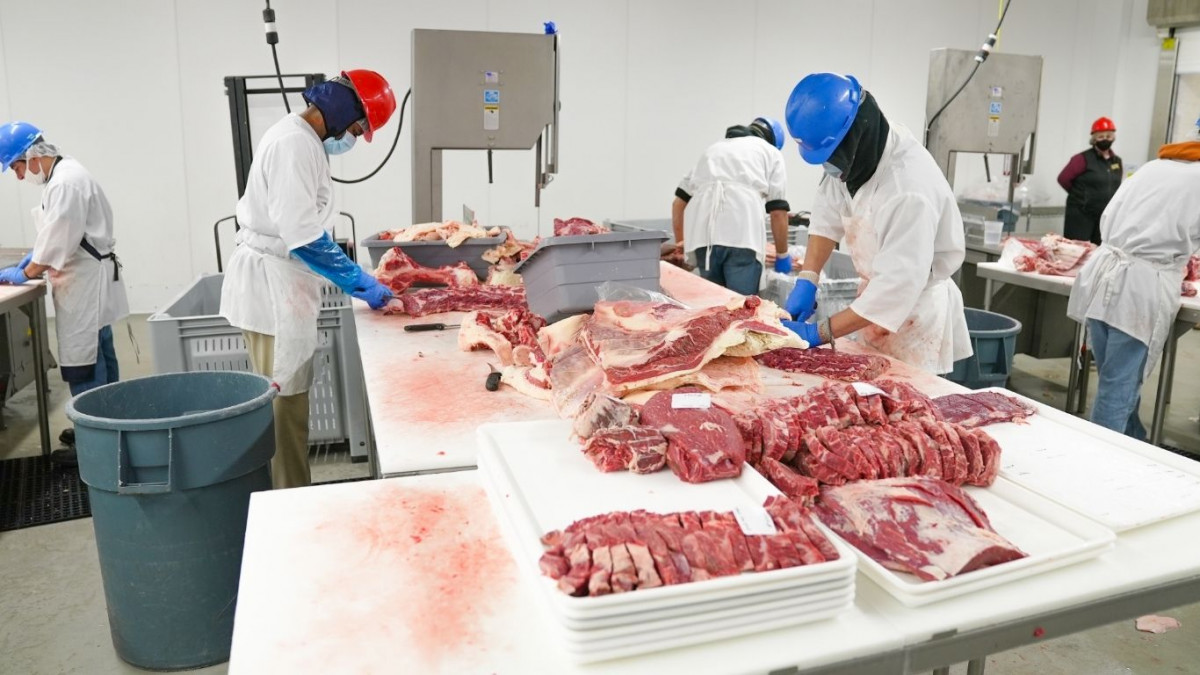
Food safety is a fundamental responsibility in the food manufacturing industry. Every stage of production from receiving raw materials to processing, packaging, storage, and distribution carries the risk of microbial contamination if proper hygiene practices are not maintained.
According to the World Health Organization (WHO), contaminated food causes approximately 600 million cases of foodborne illness every year, making food safety one of the world's most significant public health concerns. Besides endangering consumers, contamination can also lead to costly product recalls, regulatory issues, and damage to a company's reputation. One of the most effective preventive measures is implementing a proper cleaning and disinfection throughout the process of food production.
Why Disinfection Matters
Food contamination often originates from contaminated equipment, food-contact surfaces, employee contact, or improperly sanitized production environments. Common foodborne pathogens include:
- Salmonella
- Listeria monocytogenes
- Escherichia coli (E. coli)
- Campylobacter
- Staphylococcus aureus
Without effective sanitation, these microorganisms can survive on surfaces and spread throughout the production line, affecting multiple batches of products. Proper disinfection helps interrupt this chain of contamination before products reach consumers.
Cleaning vs Disinfection
Although often used interchangeably, cleaning and disinfection serve different purposes. Cleaning removes food residues, grease, dust, and other organic matter from equipment and surfaces. Disinfection, performed after cleaning, reduces the remaining microorganisms to safe levels. Skipping the cleaning step may significantly reduce the effectiveness of disinfectants because organic residues can shield microorganisms from chemical action.
It is also important to understand that disinfection is not a single standardized process. Depending on the intended application, risk of contamination, and regulatory requirements, different levels of disinfection may be required to achieve the appropriate level of microbial control. In food production environments, selecting the right disinfectant and following the recommended procedures are essential for maintaining hygiene standards while protecting product quality and consumer safety.
Best Practices for Effective Disinfection
An effective sanitation program involves more than simply selecting a disinfectant. Food manufacturers should follow several best practices:
- Clean before disinfecting to remove dirt and organic matter.
- Use the recommended dilution according to the manufacturer's instructions.
- Allow sufficient contact time for the disinfectant to work effectively.
- Train employees regularly on proper sanitation procedures.
- Verify cleaning effectiveness through routine inspections or environmental monitoring.
Consistent implementation helps reduce contamination risks while supporting overall food safety management systems such as HACCP (Hazard Analysis and Critical Control Point).
Choosing the Right Disinfectant
When selecting a disinfectant for food production surfaces, manufacturers should consider:
- Broad-spectrum antimicrobial effectiveness.
- Compatibility with processing equipment and materials.
- Ease of preparation and application.
- Compliance with applicable regulations and food safety standards.
Using products specifically designed for industrial sanitation helps protect equipment while maintaining effective microbial control.
The Business Benefits of Proper Sanitation
Investing in an effective disinfection program provides benefits beyond regulatory compliance.
Proper sanitation helps:
- Reduce the risk of foodborne contamination.
- Protect product quality.
- Support HACCP and food safety programs.
- Extend equipment lifespan by using compatible disinfectants.
- Strengthen consumer confidence and brand reputation.
Preventive sanitation is often far less costly than managing product recalls or production disruptions caused by contamination. As food safety standards continue to evolve, implementing a consistent and effective sanitation program remains one of the best investments food manufacturers can make to protect both consumers and their business.
Explore Food Industry Disinfection Solutions
Maintaining high hygiene standards starts with using the right disinfectant. Whether you're operating a food manufacturing facility, commercial kitchen, food processing plant, or laboratory, choosing an effective disinfectant is essential for supporting sanitation programs and reducing contamination risks.
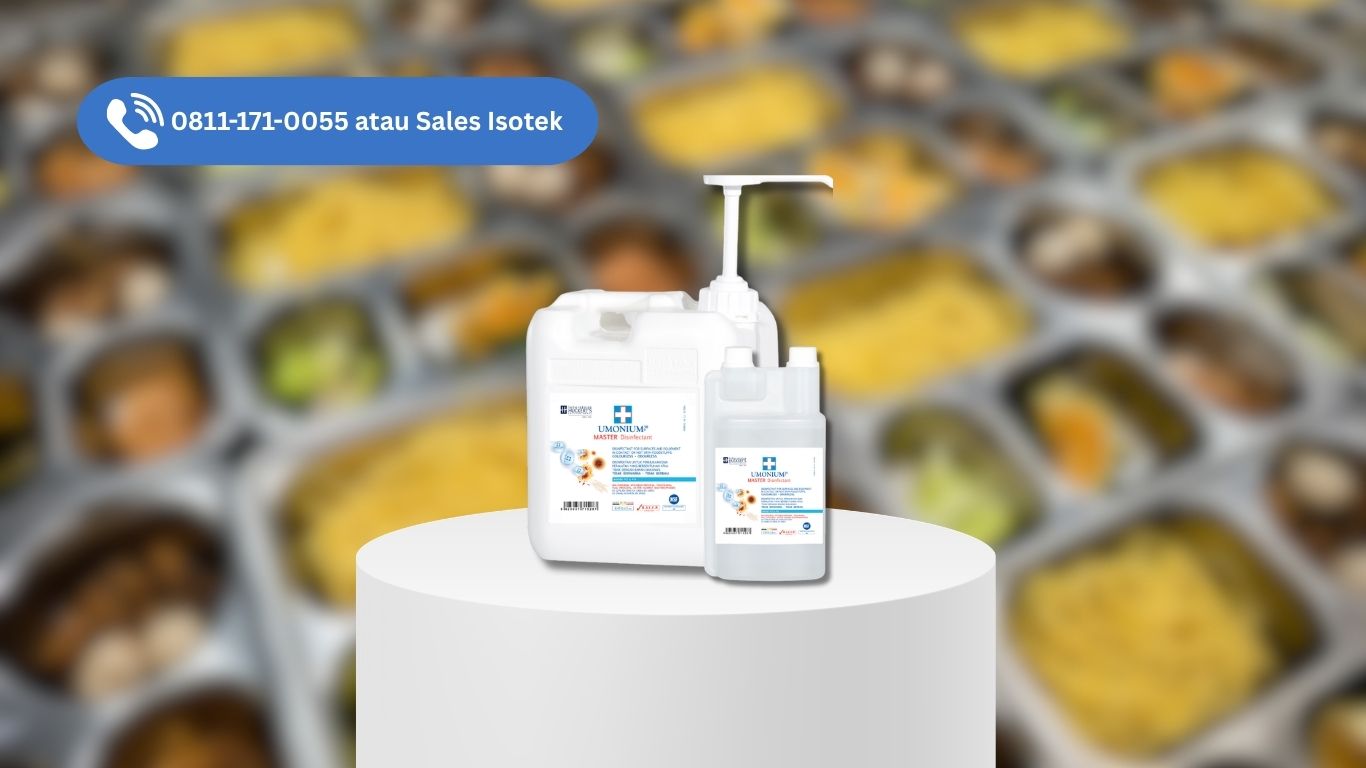
Explore our food industry disinfectant solution with UMONIUM38® MASTER DISINFECTANT, for cleaning and disinfecting surfaces that come into contact with food products. Suitable for cleaning and disinfecting in institutional food service settings (conveyor dishwashers, tables, etc.) and the agricultural food industry (mixing tanks, cutting tables, liquid filling machines for beverages, etc.). Odorless and colorless.
Why do we believe this product meets the need for a preferred disinfectant, especially in environments and on surfaces that come into contact with food products?
- It is a PT2 & PT4 biocide disinfectant (for surfaces, equipment, and environments, particularly those in contact with food and water).
- HACCP (Hazard Analysis Critical Control Point) compatible.
- NSF (National Sanitation Foundation) certified for Nonfood Compounds D1.
- Safe for surfaces, equipment, operators, and the environment due to its neutral pH; non-toxic and non-corrosive.
- Formula free of CMR (Carcinogenic, Mutagenic, and Reprotoxic) components.
- Fast-acting, potent, broad-spectrum disinfectant with bactericidal, mycobactericidal, fungicidal, virucidal, and sporicidal properties.
With its combination of efficacy, safety, and comprehensive certifications, UMONIUM38® MASTER DISINFECTANT provides an ideal cleaning and disinfection processes while maintaining compatibility with a wide variety of equipment and surfaces of food production.
References
- World Health Organization (WHO). Food Safety.
- U.S. Food & Drug Administration (FDA). Food Safety.
- Codex Alimentarius Commission (FAO/WHO). Codex Alimentarius.