Eid al-Adha is a celebration closely associated with togetherness, sharing, and a variety of delicious qurban meat dishes. From satay, curry, rendang, to tongseng, these traditional dishes are often enjoyed during family gatherings. However, behind the enjoyment, excessive meat consumption without a balanced diet may impact health, particularly increasing the risk of metabolic conditions such as high cholesterol, gout, and hypertension.
Does this mean people should avoid eating meat during Eid al-Adha? Not necessarily. The key is understanding healthier consumption habits and the importance of regular health monitoring.
Red Meat: Nutritious, but Best Consumed in Moderation
Beef and goat meat provide essential nutrients such as protein, iron, vitamin B12, and zinc, which support red blood cell production, muscle maintenance, and immune function.
However, red meat also contains saturated fat, which, when consumed excessively, may affect metabolic health. According to the World Health Organization (WHO), diets high in saturated fat and sodium, combined with low fruit and vegetable intake, can increase the risk of conditions such as hypertension, diabetes, and cardiovascular disease.
Health Risks to Watch Out for During Eid al-Adha
-
High Cholesterol Due to High-Fat Consumption
Eid al-Adha dishes are often not only high in protein but also rich in fat, especially when prepared with coconut milk, oil, or fatty cuts of meat.
Excessive saturated fat intake may increase LDL (Low-Density Lipoprotein), commonly known as “bad cholesterol,” which can contribute to the risk of heart disease and stroke. Therefore, paying attention to portion sizes and choosing healthier cooking methods is essential.
-
Hypertension Due to Excessive Salt Intake
Besides fat content, the amount of salt and sodium used in festive dishes should also be considered.
WHO recommends limiting sodium intake to less than 2 grams per day to help reduce the risk of hypertension and cardiovascular disease. Individuals with a history of high blood pressure are encouraged to manage their dietary intake more carefully during Eid celebrations.
-
Gout: A Condition Often Linked to Meat Consumption
Gout is one of the health conditions commonly associated with meat consumption during Eid al-Adha.
Certain high-purine foods, including red meat and organ meats, may influence uric acid levels in some individuals.
Common symptoms may include:
-
- Joint pain
- Swelling
- Redness
- A burning sensation around the joints
However, the risk of elevated uric acid levels is also influenced by factors such as medical history, dietary habits, body weight, and lifestyle.
Enjoy a Healthier Eid al-Adha with Balanced Eating Habits
Enjoying Eid al-Adha dishes does not mean completely avoiding meat. A few simple habits can help maintain better health balance:
✔ Consume meat in reasonable portions
✔ Choose healthier cooking methods such as boiling, grilling, or steaming
✔ Increase intake of vegetables, fruits, and water
✔ Limit the use of coconut milk, oil, and excessive salt
✔ Stay physically active and maintain a healthy lifestyle
In addition to dietary management, routine health monitoring is also important, especially for individuals with a history of high cholesterol, diabetes, hypertension, or gout.
Health Monitoring After Eid al-Adha: Necessary or Not?
Many metabolic conditions, including high cholesterol and elevated uric acid levels, may develop without obvious symptoms in the early stages. Therefore, regular screening can support early detection and ongoing health monitoring.
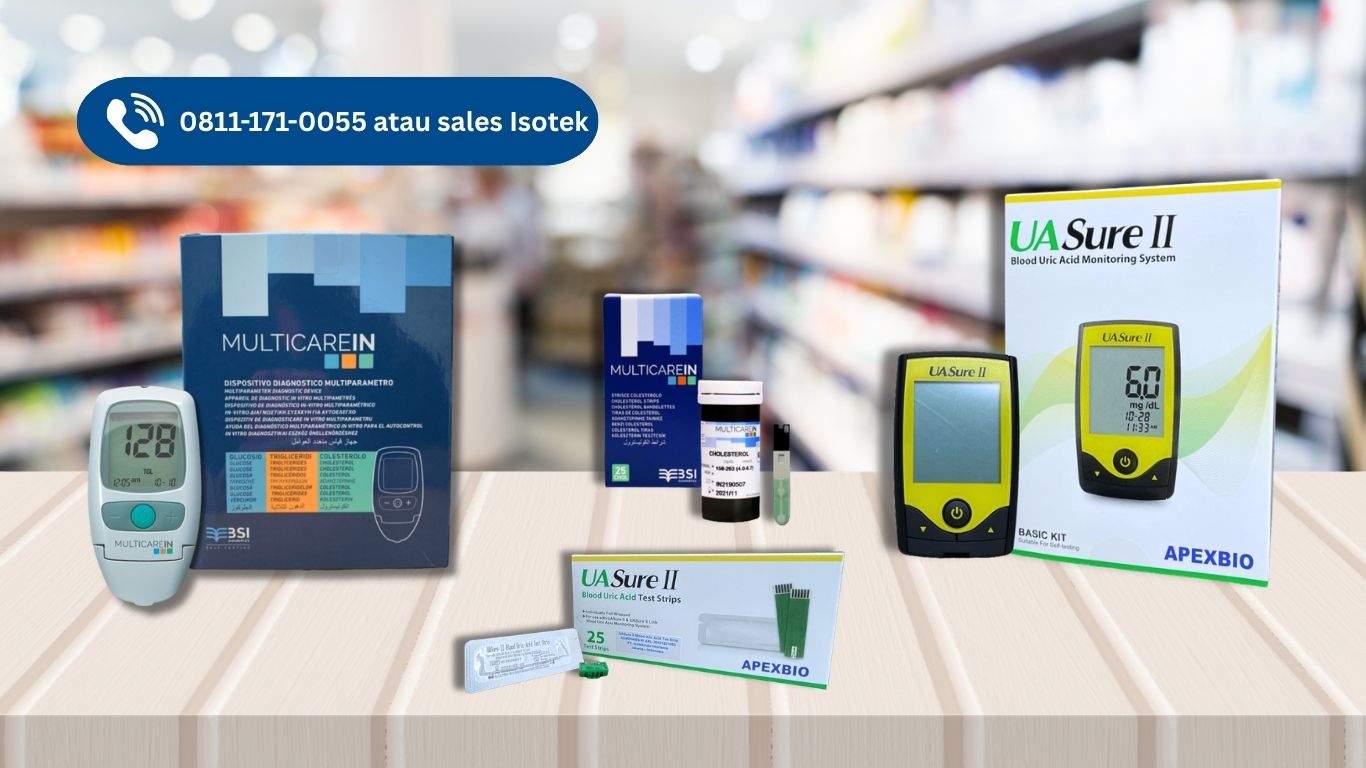
Below are rapid testing devices that can be used whenever needed:
-
Uric Acid Monitoring – UASure II Blood Uric Acid Monitoring System
-
- Compact size, easy to carry and store
- Requires only ≥1.5 μL blood sample
- Fast testing time (10 seconds)
- Test strips do not require a code chip
-
Cholesterol Monitoring – MULTICARE IN Meter
-
- Requires only 10 μL blood sample
- Equipped with a test strip ejector for improved hygiene
- Stores up to 500 data records
- 3-in-1 parameters in one device (cholesterol, triglycerides, and blood glucose)
Conclusion
Eid al-Adha is not about avoiding your favorite dishes, but about enjoying them more wisely. By maintaining balanced eating habits, adopting a healthier lifestyle, and conducting proper health monitoring, people can continue to enjoy the celebration without neglecting their health.
After all, maintaining good health does not start only after symptoms appear—it begins with simple steps: being mindful of what we eat and routinely monitoring our health condition.
References
- World Health Organization (WHO). Healthy Diet Fact Sheet.
- World Health Organization (WHO). Cardiovascular Diseases (CVDs).
- World Health Organization (WHO). Salt Reduction Fact Sheet.
- Dalbeth N, et al. Gout. The Lancet. 2021;397(10287):1843–1855.
- Indonesian Ministry of Health. Non-Communicable Diseases and Their Risk Factors.