Kidney failure cases in children became a major concern in Indonesia in 2022. During that time, there was a sudden increase in Acute Kidney Injury (AKI) cases among children, which shocked many communities and health professionals. As of 5 February 2023, more than 300 cases had been reported, with many resulting in severe health outcomes.
Investigations revealed that some cases were linked to exposure to hazardous chemicals, namely diethylene glycol (DEG) and ethylene glycol (EG). These substances are commonly used in industrial products such as antifreeze and should never be present in medicines. When ingested, these toxic compounds can damage vital organs, including the kidneys.
This incident highlights an important reminder that kidney health should not only be a concern for adults but also for children. Many people believe kidney failure only affects older individuals, but under certain conditions, children can also experience kidney dysfunction.
Another challenge is that kidney damage often develops gradually without clear symptoms in the early stages. Some possible signs include decreased urine output, swelling in the body, fatigue, nausea, and vomiting. Because these symptoms are often nonspecific, the condition is frequently detected late.
Therefore, public awareness about maintaining kidney health from an early age is crucial. Parents should also be more attentive to changes in their children’s health and consult healthcare professionals if suspicious symptoms appear. Early attention can help reduce the risk of kidney disorders and support healthy growth and development in children.
1. What is Kidney Failure?
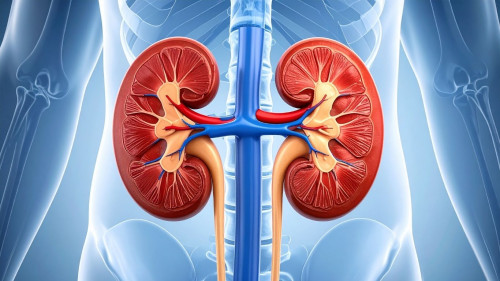
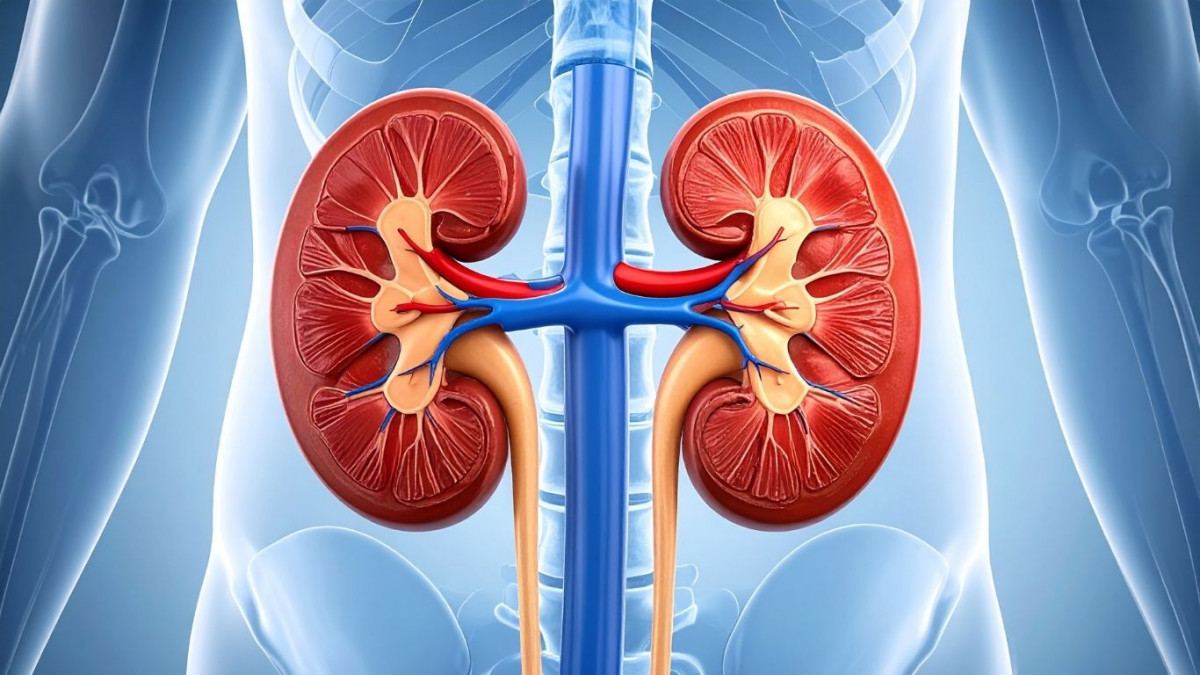
Kidney failure occurs when the kidneys can no longer perform their functions effectively, such as filtering metabolic waste, maintaining fluid balance, and regulating electrolytes in the body.
The kidneys play an important role in maintaining overall body balance by:
- Filtering metabolic waste from the blood
- Regulating fluid and electrolyte balance
- Controlling blood pressure
- Producing erythropoietin hormone to support red blood cell production [2.1]
Kidney disorders in children generally occur in two main forms:
- Acute Kidney Injury (AKI)
AKI is a sudden decline in kidney function that can develop within hours or days. It may be caused by severe infection, dehydration, exposure to toxins, or side effects of certain medications.
- Chronic Kidney Disease (CKD)
Chronic kidney disease refers to kidney damage lasting more than three months and can gradually reduce kidney function permanently.
2. Causes of Kidney Failure in Children
Several factors may increase the risk of kidney disorders in children, including:
- Severe infections - Certain bacterial or viral infections can cause kidney inflammation and impair kidney function.
- Severe dehydration - Significant fluid loss can reduce blood flow to the kidneys and disrupt their filtering ability.
- Exposure to toxic substances or certain medications - Hazardous chemicals, such as those involved in the AKI cases in Indonesia, can cause acute kidney damage.
- Congenital kidney abnormalities - Some children may have structural or functional kidney disorders from birth.
- Metabolic or autoimmune diseases - Certain medical conditions can gradually damage kidney tissue.
3. Symptoms of Kidney Failure in Children
In the early stages, kidney disorders in children often show no obvious symptoms. However, several warning signs may include:
- Fatigue or weakness
- Swelling in the face, hands, or feet
- Changes in urine frequency or color
- Loss of appetite
- Nausea or vomiting
- Increased blood pressure
- Growth disturbances
Because symptoms are often nonspecific, laboratory testing plays a crucial role in early detection of kidney disorders.
4. How to Prevent Kidney Failure in Children
Preventive measures are important to maintain children’s kidney health. Some recommended steps include:
- Ensuring adequate fluid intake
- Avoiding medication use without medical supervision
- Maintaining a healthy and balanced diet
- Managing diseases that may damage the kidneys
- Conducting regular health check-ups, including microalbumin, ACR, and renal function tests when necessary
5. Importance of Microalbumin and Kidney Function Tests
Early detection of kidney damage can be performed through several laboratory examinations, including microalbumin, ACR, and renal function tests.
- Microalbumin Test (mALB)
Microalbumin (mALB) refers to small amounts of albumin protein in urine. Normally, the kidneys prevent protein from leaking into the urine. However, when kidney damage begins, albumin can pass into the urine.
Benefits of microalbumin testing:
-
- Detect early kidney damage
- Identify kidney dysfunction before symptoms appear
- Support monitoring of patients at risk of kidney disease
- uCR Test (Urine Creatinine)
Urine Creatinine (uCR) measures the amount of creatinine in urine. Creatinine is a waste product from muscle metabolism that is normally removed from the body through the kidneys.
Functions of the uCR test:
-
- Evaluate the kidney’s ability to remove metabolic waste
- Serve as a comparison parameter for calculating ACR
- Assess urine concentration to improve accuracy of protein urine testing
uCR testing is often performed together with microalbumin testing to provide a clearer overview of kidney health.
- ACR Test (Albumin-Creatinine Ratio)
ACR measures the ratio between albumin and creatinine in urine. This test helps assess the level of protein leakage from the kidneys more accurately.
Functions of ACR testing:
-
- Detect kidney damage earlier
- Monitor kidney disease progression
- Provide a more comprehensive evaluation of kidney health
- Renal Function Test
Kidney function tests typically include several important parameters such as:
-
- Creatinine
- Urea / Blood Urea Nitrogen (BUN)
- Uric acid
These tests help evaluate the kidneys’ ability to filter metabolic waste from the blood.
Practical Screening Solution: Sinocare iCARE-2100

To support early detection of kidney disorders more practically, the Sinocare iCARE-2100 device is available to perform several kidney-related examinations, including mALB, uCR, ACR, and renal function tests.
Key advantages of this device include:
- Very small sample size requirement (only 150 µL)
- Short testing time (8–12 minutes)
- Fully automated operation
- Ability to measure multiple parameters in a single test
With more accessible testing methods, healthcare professionals can monitor kidney function more efficiently in various healthcare settings.
Conclusion
Kidney failure in children is a serious condition that may develop rapidly or gradually. The surge of Acute Kidney Injury (AKI) cases in Indonesia serves as an important reminder that children’s kidney health requires greater attention.
Early detection through mALB, uCR, ACR, and renal function tests is essential to identify kidney disorders at an early stage. With the support of diagnostic technologies such as Sinocare iCARE-2100, screening and monitoring kidney function can be conducted more efficiently in healthcare facilities.
Prevention efforts, parental awareness, and access to appropriate diagnostic testing can help protect children’s kidney health and reduce the risk of severe complications in the future.
References
- Levey AS, Coresh J. Chronic Kidney Disease. The Lancet. 2012;379(9811):165–180.
- Kidney Disease: Improving Global Outcomes (KDIGO). Clinical Practice Guideline for the Evaluation and Management of Chronic Kidney Disease. Kidney International Supplements. 2013.
- World Health Organization (WHO). Global Health Estimates: Kidney Diseases. 2022.
- Ministry of Health Republic of Indonesia. National Clinical Practice Guideline for Chronic Kidney Disease. 2022.
- Perazella MA. Drug-Induced Acute Kidney Injury. Clinical Journal of the American Society of Nephrology. 2018.
- Harambat J, et al. Epidemiology of Chronic Kidney Disease in Children. Pediatric Nephrology. 2012.