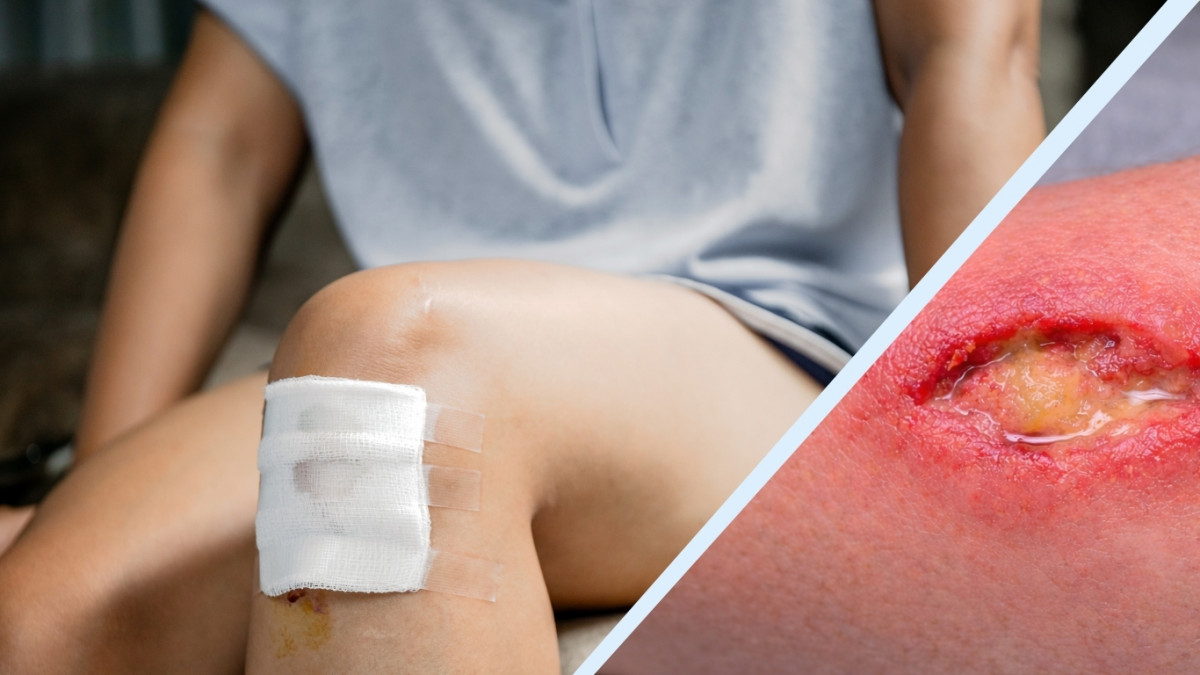
Did you know? Wounds that are not properly covered with appropriate gauze have a higher risk of bacterial infection, delayed healing, and even serious health complications. Numerous nursing studies and clinical research emphasize the importance of keeping wounds clean and protected from microbial contamination to support safe and effective healing.
1. Wound Infection: Risks and Consequences
When the skin is injured, bacteria from the surrounding environment can enter deeper tissues and trigger inflammation or infection. Wound infections may slow the healing process, increase pain, produce pus, and potentially lead to systemic complications if left untreated.
Microbiological studies on wound dressings have shown that gauze can bind harmful bacteria such as MRSA and Pseudomonas aeruginosa, helping to reduce bacterial colonization on the wound surface.
2. Signs of an Infected Wound
Wound infections do not always appear immediately. Therefore, recognizing early warning signs is essential:
-
- Redness that spreads around the wound
- Increasing pain or a throbbing sensation
- Swelling and warmth in the affected area
- Discharge that is yellow or green in color, often with an unpleasant odor
- A wound that does not improve or appears to worsen over time
- Fever or a general feeling of unwellness in certain cases
If one or more of these signs occur, the wound should receive proper medical attention promptly.
3. The Role of Wound Dressings (Gauze) in Infection Prevention
Gauze or wound dressings act as a physical barrier against external contamination and help to:
-
- Protect wound tissue from exposure to bacteria and environmental pathogens
- Maintain a clean and stable wound environment
- Regulate wound moisture to support faster cell growth and healing
Covering wounds with appropriate gauze is widely recommended as part of standard wound management practices, especially for both acute and chronic wounds.
4. Scientific Evidence: Modern Gauze and Wound Healing
Several nursing journals and case studies support the effectiveness of modern wound care using appropriate gauze:
-
- Modern wound dressings have been shown to accelerate healing in chronic wounds and diabetic ulcers, with reduced signs of infection and improved tissue regeneration.
- Case studies involving gauze use on post-operative wounds demonstrate clean wound conditions with no signs of infection during treatment, highlighting the importance of using suitable gauze to protect wounds from external microbes.
5. MS CARE Plus Hydrophilic Gauze: A Reliable Wound Dressing Option
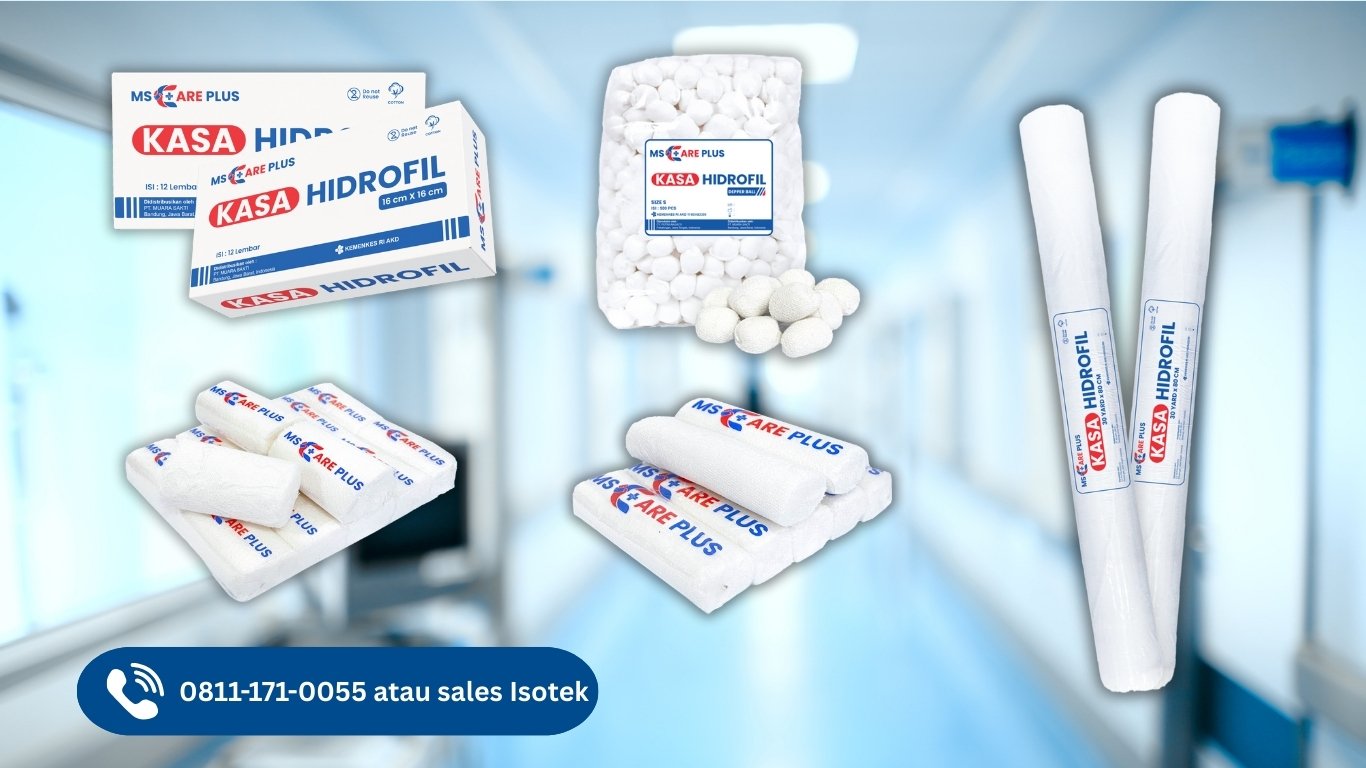
In wound care practice, selecting high-quality gauze is an important step in preventing infection and supporting optimal healing. MS CARE Plus Hydrophilic Gauze offers features designed to support safe wound management:
- 100% cotton material – non-adherent to the wound surface, helping reduce tissue trauma during dressing changes
- High absorbency (1.40 seconds) and optimal weave density (104-75) – effectively absorbs wound exudate
- Halal-certified – safe and suitable for all patients
- Negative fluorescence test result
- Available in various sizes – suitable for small to large wounds
MS CARE Plus Hydrophilic Gauze is suitable for daily wound care, post-surgical wounds, and minor traumatic injuries, both at home and in healthcare facilities.
Good wound care does not always require complex procedures—it begins with the right basic steps. Covering wounds with MS CARE Plus Hydrophilic Gauze plays an important role in preventing infection and supporting the body’s natural healing process. Choosing the right gauze helps keep wounds protected and safely managed.
References
- Leaper, D. J., & Harding, K. G. Wounds: Biology and Management. Oxford University Press; 1998.
- Hutchinson, J. J., & McGuckin, M. Occlusive dressings: a microbiologic and clinical review. American Journal of Infection Control. 1990;18(4):257–268.
- Bowler, P. G., Duerden, B. I., & Armstrong, D. G. Wound microbiology and associated approaches to wound management.
- World Health Organization (WHO). Global Guidelines for the Prevention of Surgical Site Infection. Geneva: WHO; 2016.
- Ministry of Health of the Republic of Indonesia. Modern Wound Care and Infection Prevention.