
Pregnancy is a natural physiological process; however, it still carries potential risks that may endanger both the mother and the fetus. Therefore, antenatal care (ANC) plays a crucial role, particularly through routine screening to detect potential complications early.
According to the World Health Organization (WHO), screening in antenatal care is essential to identify risk factors early and prevent complications. In Indonesia, the Kementerian Kesehatan Republik Indonesia also emphasizes integrated ANC services to reduce maternal and neonatal mortality rates.
1. When Should Pregnancy Screening Begin?
Pregnancy screening should ideally begin in the first trimester (≤12 weeks of gestation) and continue regularly throughout pregnancy.
WHO recommends at least 8 antenatal care visits to ensure optimal monitoring of both maternal and fetal health. Early screening is critical to identify potential risks as soon as possible.
2. What Screenings Are Recommended for Pregnant Women?
- Basic Antenatal Screening (Routine ANC Check-ups)
-
- Blood pressure monitoring (to detect preeclampsia)
- Weight and nutritional status assessment
- Fundal height measurement
- Fetal heart rate monitoring
These examinations help healthcare providers monitor the overall progress of pregnancy.
- Anemia Screening (Hemoglobin/Hb)
Anemia is one of the most common conditions in pregnancy and may increase the risk of fatigue, hemorrhage, and preterm birth. Routine hemoglobin testing is essential to ensure healthy Hb levels.
- Gestational Diabetes Screening (Blood Glucose)
Uncontrolled blood glucose levels during pregnancy can lead to complications such as macrosomia (large baby) and delivery risks. Regular glucose monitoring is therefore necessary.
- Infectious Disease Screening (Syphilis)
Maternal syphilis can result in miscarriage, stillbirth, or congenital infection. Screening is a critical component of preventing mother-to-child transmission.
3. Why Is Pregnancy Screening Important?
Screening plays a vital role in ensuring maternal and fetal health by:
- Enabling early detection of complications
- Allowing timely and appropriate intervention
- Reducing the risk of severe outcomes
- Supporting a healthy and well-monitored pregnancy
4. Supporting Devices for Pregnancy Screening
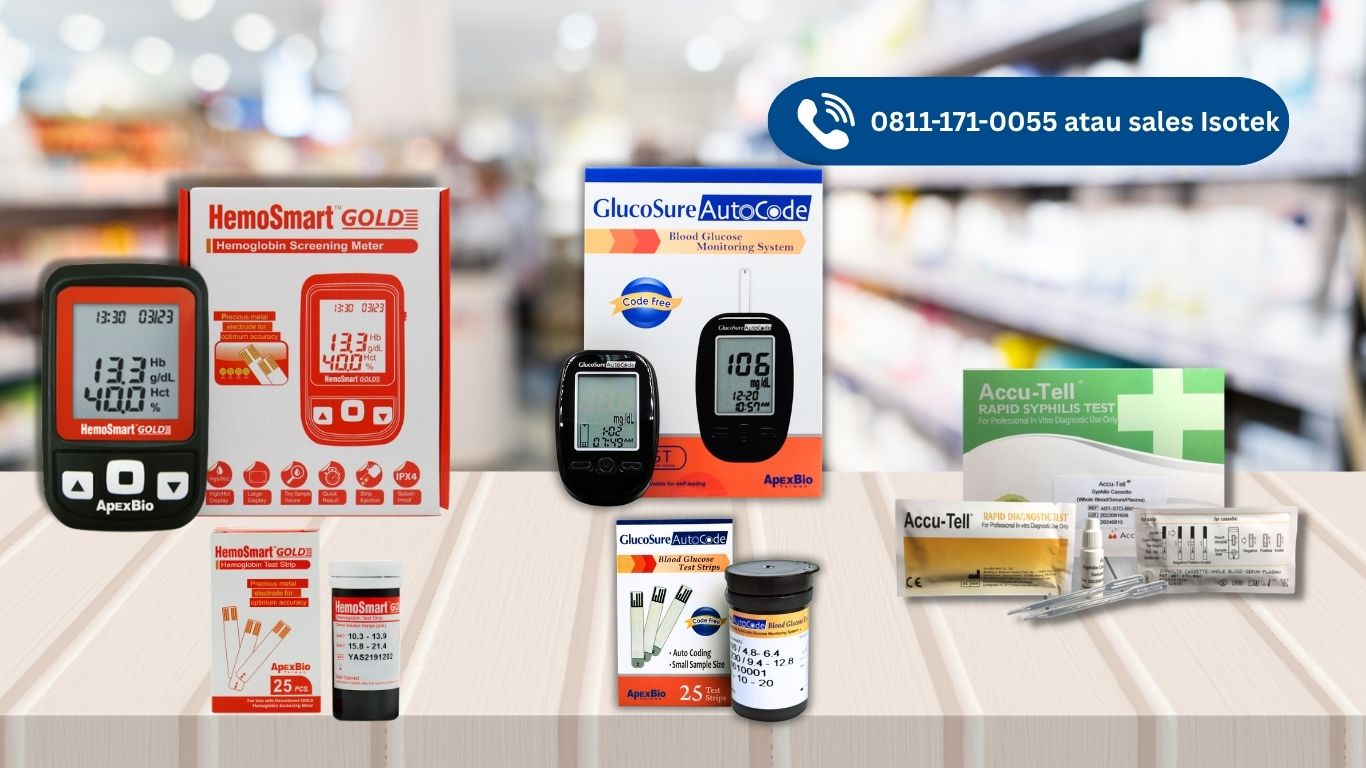
With the advancement of technology, pregnancy screening can now be performed more quickly, practically, and efficiently using appropriate diagnostic tools. This enables healthcare professionals—especially midwives—to deliver more optimal care while supporting early detection of pregnancy risks.
Some devices that can support pregnancy screening include:
- Hemoglobin (Hb) Testing
Using HemoSmart GOLD Hemoglobin Screening Meter:
-
- Requires a very small blood sample volume (1 µL)
- Wide measurement range (4–24 g/dL)
- Equipped with a strip ejector for ease of use
- Fast measurement time of approximately 5 seconds
- Measures two parameters: hemoglobin and hematocrit
- Blood Glucose Testing
Using GlucoSure AutoCode Blood Glucose Monitoring System:
-
- Compact and portable design
- Can be connected to a computer for data management
- No chip code required (auto-coding system)
- Requires only a small blood sample (0.6 µL)
- Fast measurement time of approximately 6 seconds
- Syphilis Testing (Rapid Test)
Using ACCU-TELL® Rapid Syphilis Test (Whole Blood/Serum/Plasma):
-
- Utilizes a rapid immunochromatographic assay method
- Results can be interpreted within approximately 5 minutes
- Sensitivity >99%
- Specificity 99.7%
- Accuracy 99.8%
Conclusion
Pregnancy screening is a critical step in the early detection of potential risks, including anemia, gestational diabetes, and infections. When performed early and regularly, screening can significantly reduce complications and improve maternal and neonatal outcomes.
With the support of practical and reliable diagnostic tools, healthcare providers—especially midwives—can deliver more efficient and effective care, ensuring a safer and healthier pregnancy journey.
References
- World Health Organization (WHO). WHO Recommendations on Antenatal Care for a Positive Pregnancy Experience. Geneva: WHO; 2016.
- Kementerian Kesehatan Republik Indonesia. Integrated Antenatal Care Guidelines.
- World Health Organization (WHO). Global Guidance on Screening and Treatment of Pregnant Women for HIV, Syphilis and Hepatitis B.
- Haider BA, et al. Anemia, prenatal iron use, and risk of adverse pregnancy outcomes: systematic review and meta-analysis. BMJ.
- Farrar D, et al. Hyperglycemia and risk of adverse perinatal outcomes: systematic review and meta-analysis. BMJ.
- Gomez GB, et al. Untreated maternal syphilis and adverse outcomes of pregnancy: a systematic review and meta-analysis. PLOS Medicine.