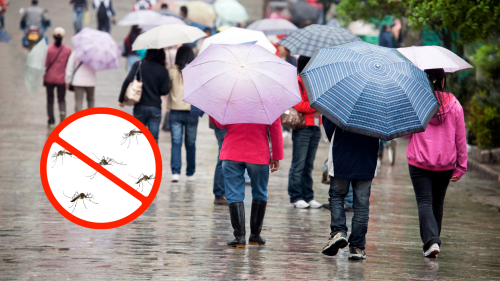
Sudden high fever, severe body aches, and rapid clinical deterioration within days — dengue remains a serious public health threat in Indonesia. Transmitted through the bite of the Aedes aegypti mosquito, this disease can affect anyone and may become life-threatening without prompt medical attention.
According to national data, from January to December 2025, there were 161,752 reported dengue cases with an Incidence Rate (IR) of 50.23 per 100,000 population. A total of 673 deaths were recorded, resulting in a Case Fatality Rate (CFR) of 0.42%. These figures indicate that dengue continues to significantly impact morbidity and mortality across various regions.
Entering 2026, vigilance against dengue remains essential due to its widespread transmission and serious health consequences.
1. Understanding the Aedes Aegypti Mosquito
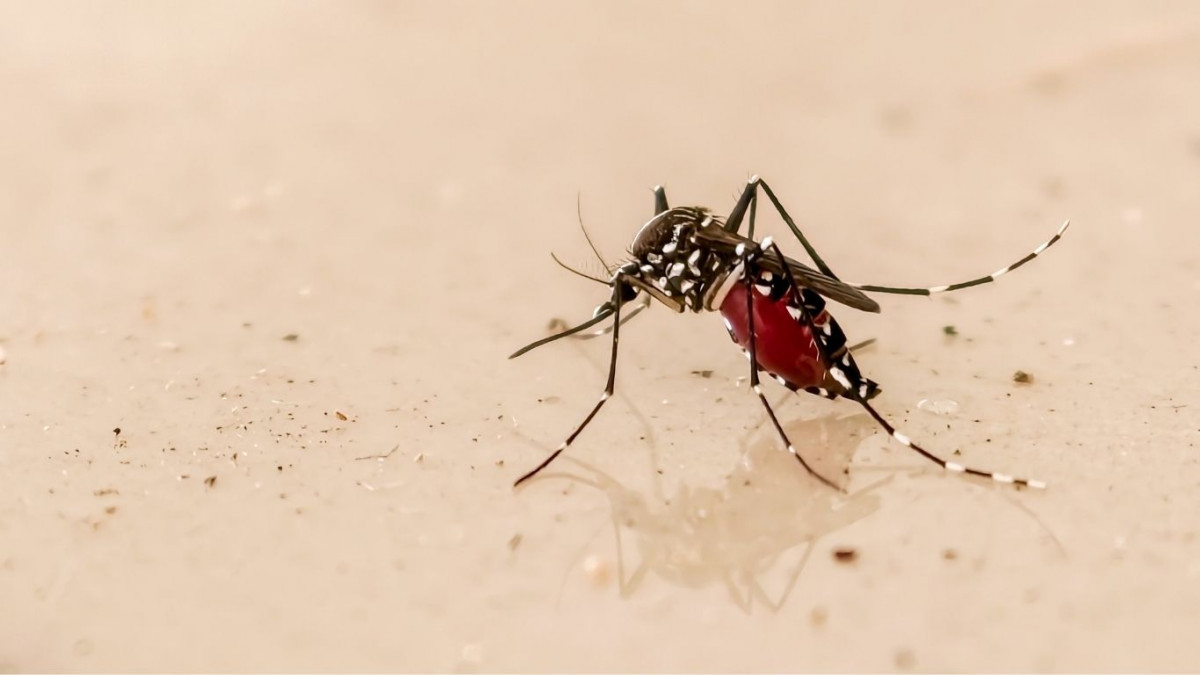
Dengue is transmitted through the bite of infected female Aedes aegypti mosquitoes, the primary vector of the dengue virus.
Key characteristics and behavior:
- Actively bites during daytime (morning to late afternoon)
- Breeds in clean, stagnant water
- Commonly found in residential and urban areas
- Can bite multiple individuals within a short period
After feeding on the blood of an infected person, the virus replicates inside the mosquito and can be transmitted to others through subsequent bites.
2. What is Dengue?
Dengue is a viral infection transmitted through the bite of infected mosquitoes. It is common in tropical and subtropical regions, including Indonesia.
While most infections are mild, some cases can progress to severe dengue, potentially causing bleeding, shock, organ impairment, and even death.
3. Dengue Symptoms
Symptoms typically appear 4–10 days after a mosquito bite and last for 2–7 days.
Common symptoms:
- Sudden high fever (up to ±40°C)
- Severe headache
- Pain behind the eyes
- Muscle and joint pain
- Nausea and vomiting
- Skin rash
Warning signs of severe dengue:
- Severe abdominal pain
- Persistent vomiting
- Gum or nose bleeding
- Weakness or restlessness
- Rapid or difficulty breathing
Severe symptoms require immediate medical attention as they may become fatal.
4. Effective Dengue Prevention
Currently, there is no specific antiviral treatment for dengue, making prevention the most important strategy.
- Avoid mosquito bites:
Use mosquito repellent, wear long-sleeved clothing, use bed nets or protective screens
- Eliminate mosquito breeding sites:
Drain and cover water storage containers, recycle unused items that collect water, clean gutters and rainwater containers
- Maintain environmental hygiene:
A clean environment helps reduce mosquito populations and transmission risk.
- Early detection with rapid testing:
Early screening supports faster clinical decision-making.
Early Detection with Accu-Tell® Dengue IgG/IgM/NS1 Combo Cassette (Whole Blood/Serum/Plasma)
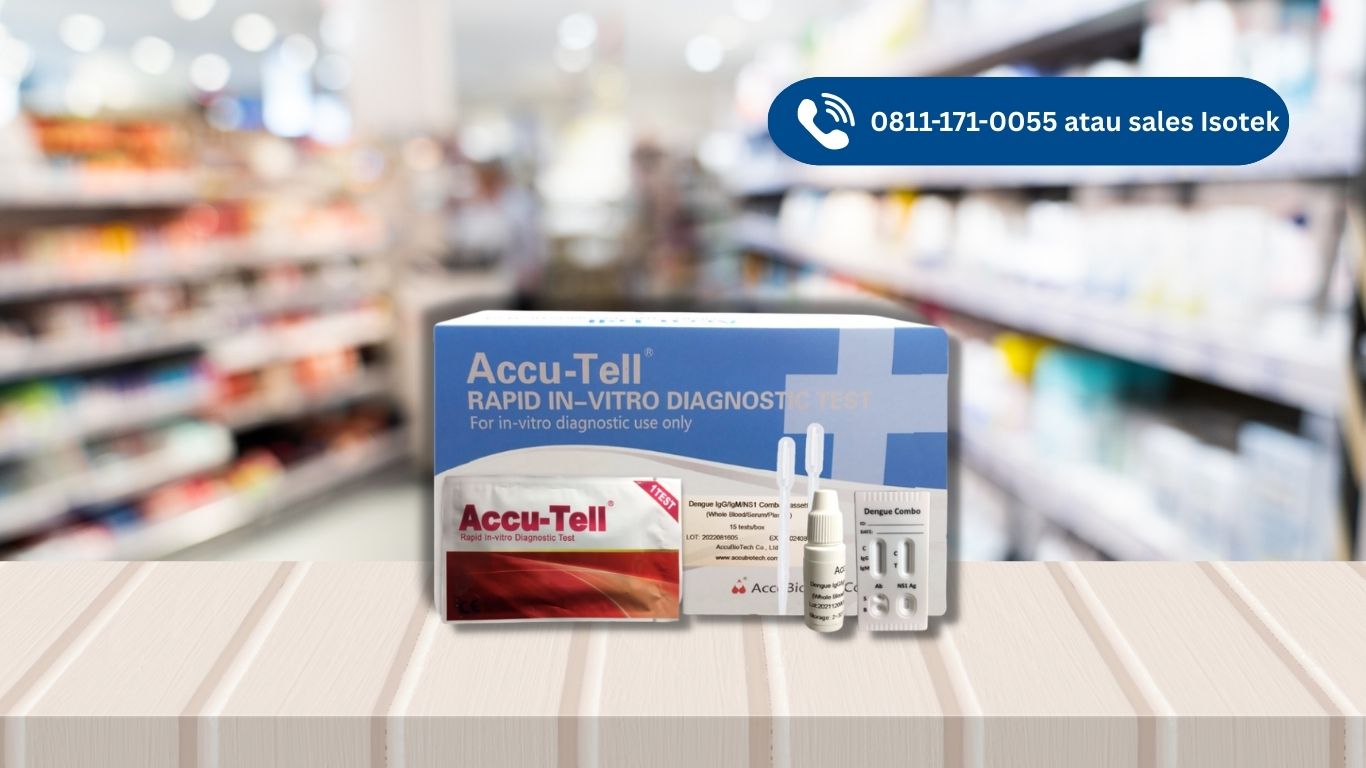
Early detection plays a critical role in preventing dengue complications. One practical and rapid diagnostic method is the Accu-Tell® Dengue IgG/IgM/NS1 Combo Cassette (Whole Blood/Serum/Plasma) — a rapid test designed for qualitative detection of IgG and IgM antibodies and NS1 antigen of the dengue virus in whole blood, serum, or plasma samples.
Key advantages:
- Supports early detection of dengue infection
- Fast results in just 10 minutes
- IgG/IgM Test: Sensitivity 95.7%, Specificity >99.9%, Accuracy 99.3%
- NS1 Test: Sensitivity 95.8%, Specificity 96.2%, Accuracy 96.1%
Rapid testing enables healthcare professionals to take earlier clinical action, helping reduce the risk of severe dengue.
Conclusion
A small mosquito bite from Aedes aegypti can carry a serious risk. Dengue remains a significant health threat in Indonesia, especially in tropical environments that support mosquito breeding.
Understanding mosquito characteristics, recognizing early symptoms, implementing preventive measures, and utilizing early detection tools such as the Accu-Tell® Dengue IgG/IgM/NS1 Combo Cassette (Whole Blood/Serum/Plasma) are essential steps to protect individuals and families.
Stay alert, protect your environment, and prioritize early detection to prevent severe dengue complications.
References
- World Health Organization. Dengue and Severe Dengue Fact Sheet.
- World Health Organization. Dengue Transmission & Vector Information.
- Ministry of Health Republic of Indonesia. Dengue Alert 2026.
- WHO Dengue Control Programme – Clinical manifestations and severity.
- Azzahra et al. Dengue vector prevalence in Indonesia (conference proceeding).